
WHAT IS SASHIKO?

A Japanese tradition, stitched through time
Sashiko is a traditional Japanese stitching technique built from simple running stitches, repetition and rhythm. Once used to strengthen and repair cloth, today it is celebrated for its distinctive geometric patterns and meditative process.
A craft born from necessity
Sashiko — meaning “little stabs” in Japanese — is a traditional hand-stitching technique that developed in rural Japan more than 400 years ago. What began as a practical way to repair, reinforce and extend the life of everyday textiles gradually evolved into a distinctive decorative craft.
Farmers, fishermen and craftspeople used simple running stitches to strengthen worn garments and join layers of fabric together for additional warmth. White cotton thread was traditionally worked against indigo-dyed cloth, creating the striking contrast now closely associated with Sashiko.
Over time, these functional stitches developed into increasingly intricate geometric patterns. What began as necessity became a language of making — practical, beautiful and deeply connected to the idea of caring for and extending the life of the things we use.
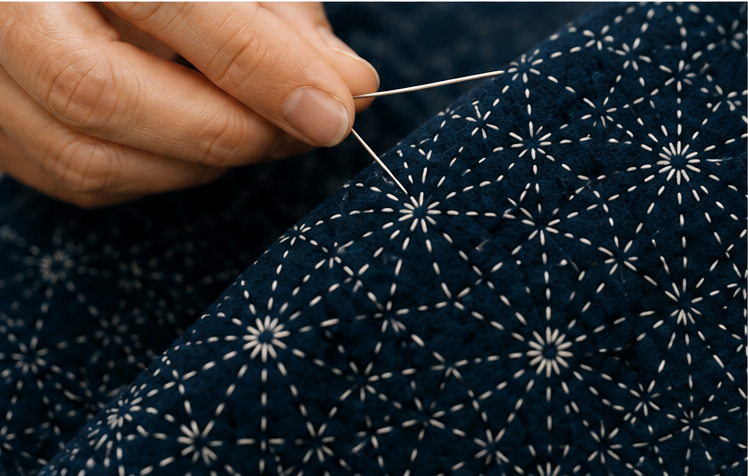
Stitch by stitch
At its heart, Sashiko is beautifully simple: a needle, thread and a sequence of running stitches worked in a steady rhythm.
The stitches follow a grid or repeated path, gradually revealing the pattern. Lines are worked in order, often one direction at a time, allowing complex geometric designs to emerge from a series of remarkably simple movements.
Unlike many forms of embroidery, Sashiko does not try to hide the thread. The stitches remain visible and become an essential part of the design, celebrating repetition, rhythm and the presence of the maker’s hand.
There is no need to rush. The repetitive nature of the technique encourages a slower pace — one stitch following another until the pattern gradually takes shape.

PATTERNS WITH MEANING

Sashiko patterns are often inspired by the world around us — waves, flowers, leaves and repeating geometric forms. Many traditional motifs have been passed down through generations, carrying associations with protection, prosperity, resilience and good fortune.
Their repeated structures transform simple stitches into intricate surfaces that feel both ordered and organic.
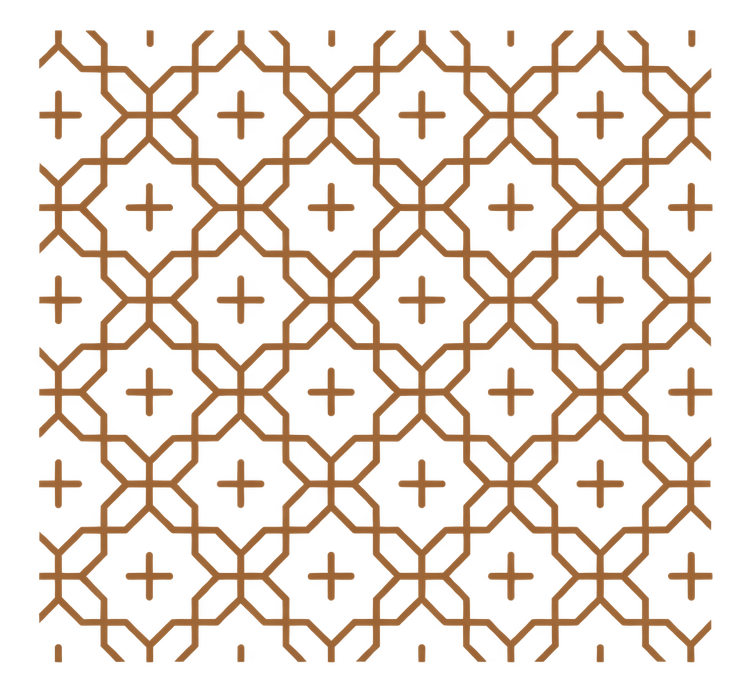
JŪJI HANAZASHI
Crosses unfolding into delicate floral geometry
Symbolises harmony, protection and the beauty that emerges through balance and repetition.
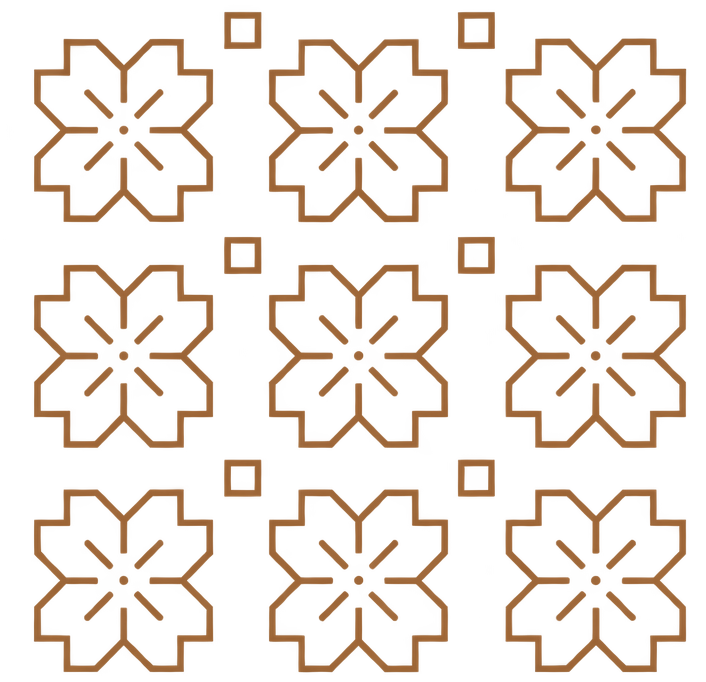
SAKURA HITOMEZASHI
A rhythmic motif inspired by the Japanese cherry blossom
Represents the beauty of transience, renewal and the quiet strength found in every new beginning.
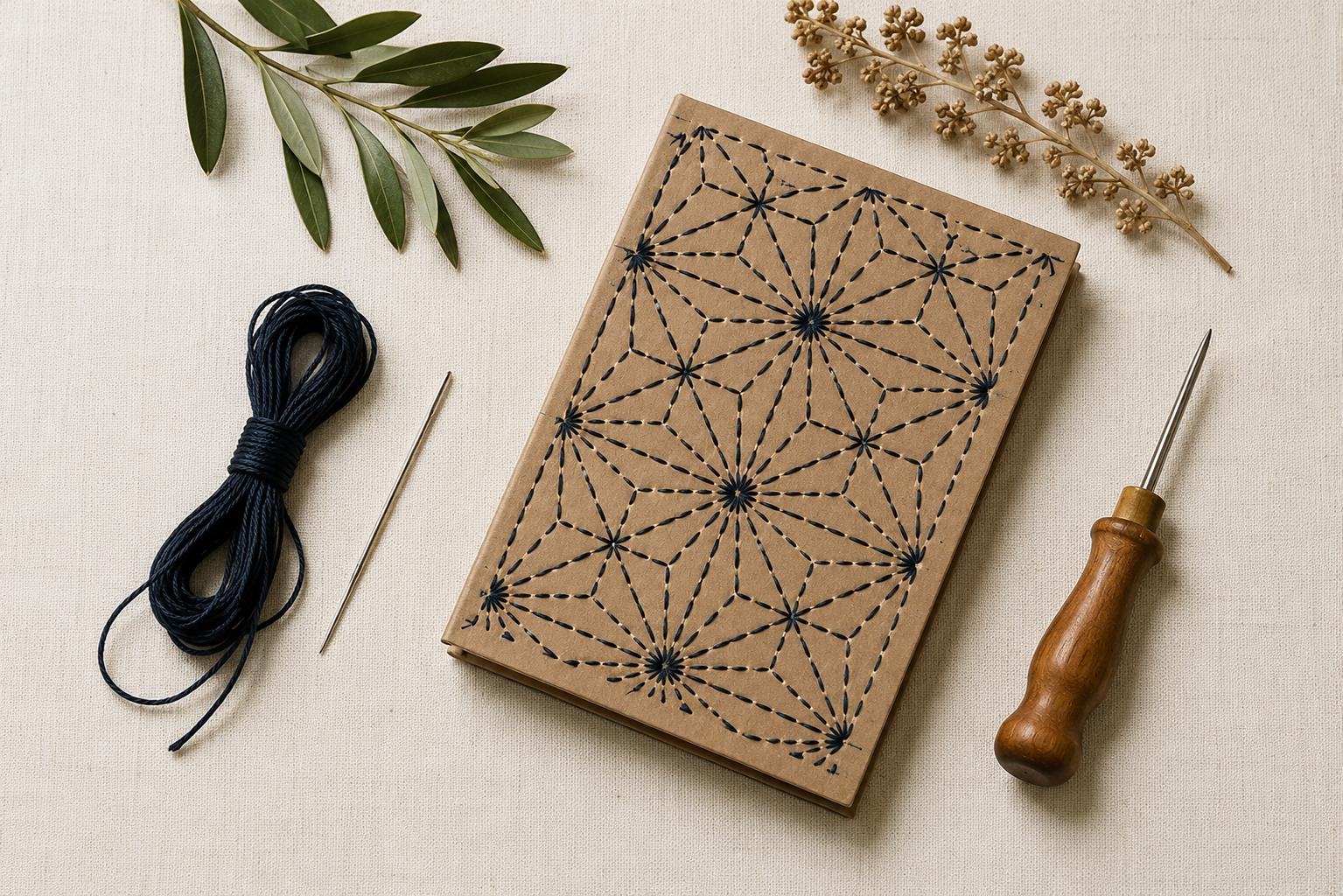
A living tradition, reimagined
Today, Sashiko has moved far beyond its original practical purpose. Its distinctive stitches can be found on clothing, bags, pouches, home textiles, accessories and countless handmade objects, bringing character and meaning to contemporary creations.
Yet the essence of the technique remains remarkably unchanged: simple stitches, repeated slowly and deliberately, transforming an ordinary surface through rhythm and pattern.
At Needlework Studio, we explore Sashiko through a different format: the notebook. Instead of stitching fabric, each kit invites you to punch and stitch a Sashiko pattern directly onto the notebook cover.
The materials may be different, but the process remains familiar — prepare, stitch, repeat and watch the pattern gradually take shape.